How to Choose a Birthday Party Theme: A Complete Guide
How to Choose a Birthday Party Theme
Choosing a theme can feel overwhelming with so many options. But a good theme doesn't have to be complicated — it just needs to guide your decorations, activities, and food in a cohesive direction.
Here's how to pick the right one without overthinking it.
Get personalized theme suggestions in 90 seconds: Chat with Parker →
Step 1: Start With Your Child's Interests
The best theme is one your child is genuinely excited about. Ask them:
- What's your favorite show, movie, or book right now?
- What do you love doing? (Art, sports, animals, building, cooking?)
- What's your favorite color?
- If you could have your party anywhere, where would it be?
For younger kids who can't articulate preferences yet, think about:
- What toys do they gravitate toward?
- What makes them light up?
- What's their current obsession?
Step 2: Consider Your Child's Age
Ages 1–3: Keep It Simple
Toddlers don't care about elaborate themes. Choose something visually appealing:
- Colors (rainbow, pastels, primary colors)
- Animals (farm, safari, ocean)
- Characters (Bluey, Cocomelon, Mickey Mouse)
- Simple concepts (stars, balloons, flowers)
Ages 4–6: Character and Fantasy Themes
This is peak theme enthusiasm. Popular choices:
- Superheroes (Marvel, DC, generic superhero)
- Princesses and fairy tales
- Dinosaurs
- Unicorns and rainbows
- Paw Patrol, Frozen, Spider-Man
- Pirates
- Mermaids
Ages 7–9: Interest-Based Themes
Kids are developing real hobbies and passions:
- Sports (soccer, basketball, gymnastics)
- Science and space
- Art and craft parties
- Minecraft, Pokémon, Roblox
- Harry Potter
- Spy/detective/mystery
- Camping and adventure
Ages 10–12: Experience-Based Themes
Tweens want cool, not cute:
- Movie night or film festival
- Escape room mystery
- Cooking competition (MasterChef style)
- Spa and self-care
- Neon glow party
- Decades theme (80s, 90s, Y2K)
- Murder mystery dinner
Ages 13+: Aesthetic Over Theme
Teens care about vibe more than a specific theme:
- Color palette party (black and gold, pastels)
- Photo booth and social media party
- Concert or karaoke night
- Game night (board games, video games)
- Outdoor bonfire
- Dinner party
Step 3: Factor In Your Budget
Some themes are naturally cheaper than others:
Budget-Friendly Themes
- Color-based themes (buy solid-colored supplies in bulk)
- Outdoor/nature/adventure (the park is your decoration)
- Art party (basic supplies + creativity)
- Dance party (just need music and space)
- Movie night (screen + popcorn)
Mid-Range Themes
- Superhero or princess (mix DIY with some purchased items)
- Sports party (use existing equipment + themed decorations)
- Science party (simple experiments with household items)
Higher-Budget Themes
- Licensed character themes (branded supplies cost more)
- Elaborate fantasy setups (fairy garden, space station)
- Anything requiring specialized rentals (inflatables, photo booths)
Pro tip: You don't need every plate, cup, and napkin to match the theme. Pick 2–3 key themed elements (a banner, themed cake, one activity) and use solid-color basics for everything else.
Step 4: Match the Theme to Your Venue
Your venue should work with your theme, not against it:
- Backyard: Nature, camping, sports, art, water/splash themes
- Living room: Movie night, craft party, dance party, game night
- Park: Safari, pirate adventure, sports day, scavenger hunt
- Trampoline park: Superhero, space, ninja warrior
- Bowling alley: Retro, neon, cosmic themes
- Pool: Tropical, mermaid, under the sea, beach party
Step 5: Plan Theme-Connected Activities
A strong theme carries through to activities:
- Dinosaur theme: Fossil dig (bury plastic dinos in sand), dino egg hunt, excavation kits
- Superhero theme: Obstacle course "training," cape/mask decorating, villain freeze tag
- Art theme: Canvas painting, tie-dye, pottery, collaborative mural
- Science theme: Volcano experiment, slime-making, crystal growing
- Pirate theme: Treasure hunt, walk the plank game, map-making
- Princess theme: Crown decorating, royal ball dance, jewel scavenger hunt
- Space theme: Rocket building (paper towel rolls), alien slime, constellation craft
Step 6: Don't Overthink It
Common mistakes parents make when choosing a theme:
- Choosing a theme the parent loves but the kid doesn't — It's their party
- Going too elaborate — Simple themes executed well beat complex themes done halfway
- Stressing about matching everything — No one notices if the napkins don't match the plates
- Choosing a theme with no available supplies — Make sure you can actually find or make what you need
- Ignoring the child's input — Even 3-year-olds have opinions. Listen to them
- Changing the theme too many times — Pick one and commit. Kids change their minds; you don't have to follow every pivot
Theme Ideas When Your Child Can't Decide
If your child is torn or has no strong preference:
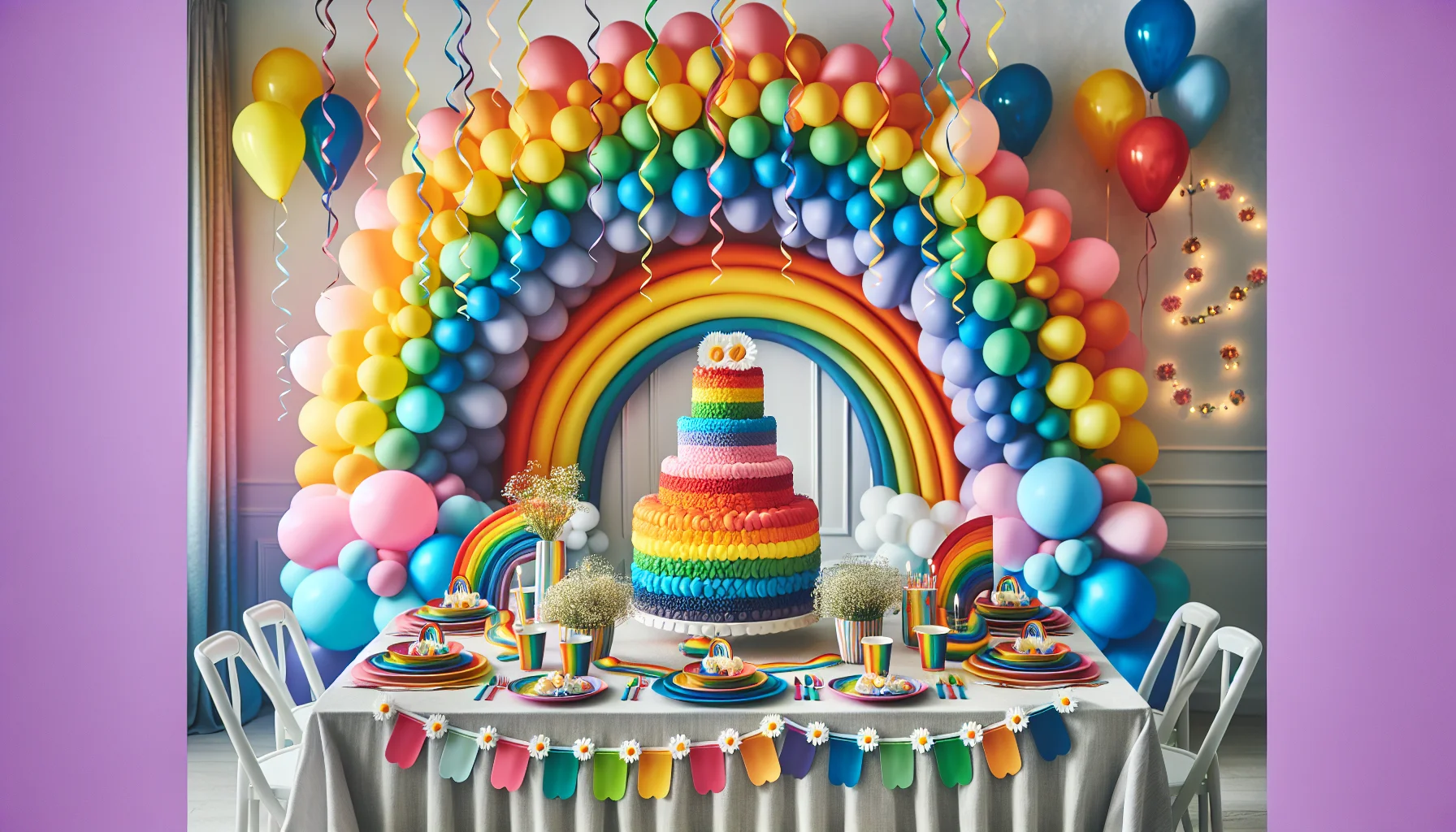
- Rainbow party — Works for any age, easy to decorate, universally loved
- Favorite color party — Simple and personal
- Ice cream party — Who doesn't love ice cream?
- Carnival/festival party — Variety of games and activities
- "Favorites" party — Combine all their favorite things (favorite food, favorite color, favorite game)
Related Guides
- What Age Should Kids Start Having Birthday Parties?
- How to Plan a Birthday Party on a Budget
- Indoor vs Outdoor Birthday Party
- What to Put in Birthday Party Goodie Bags
Let Parker Pick the Perfect Theme
Can't decide? Tell Parker your child's age and interests, and get 3–5 personalized theme suggestions — complete with matching activities, decorations, and food ideas.
Ready to plan? Parker does the work.
Real venues, real budget, complete plan. Free to try.
Plan My Party Free →